
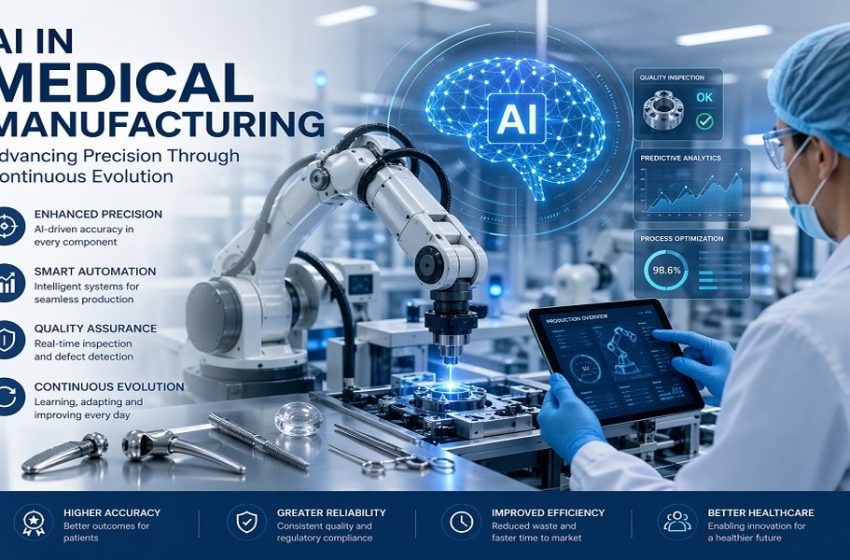
Artificial intelligence is quietly reshaping pharmaceutical manufacturing through steady, incremental progress. Rather than dramatic change, its impact is being felt through consistent improvements behind the scenes. In an industry where precision, consistency, and regulatory compliance are essential, AI is becoming a critical part of maintaining high standards and improving operational performance.
Pharmaceutical production is inherently complex, involving variables such as fluctuating raw material quality, tightly controlled environmental conditions, and the potential for human error. AI helps bring greater stability to these processes by introducing data-driven insights that improve predictability. It does not replace human expertise but enhances it, allowing for better decision-making and more consistent outcomes.
Driving Efficiency with Intelligent Adaptation
What sets AI apart from traditional automation is its ability to adapt over time. Instead of following fixed instructions, AI systems learn from data and continuously refine their performance. As they process new inputs, they become more accurate and responsive, helping manufacturing environments operate more efficiently.
This adaptability is especially valuable in areas like process optimization and predictive maintenance. AI can detect early signs of equipment wear, allowing teams to intervene before issues lead to downtime. It can also identify shifts in production conditions and adjust settings in real time to maintain optimal performance. These capabilities help improve consistency, reduce waste, and keep operations running smoothly.
AI also strengthens supply chain operations. By analyzing both historical trends and real-time data, it can forecast demand changes, anticipate inventory challenges, and support more effective decision-making across global logistics networks. Capabilities that were once considered advanced are now becoming essential for organizations focused on resilience and efficiency.
Balancing Compliance and Innovation
Pharmaceutical manufacturing requires a careful balance between innovation and strict regulatory oversight. While new technologies offer opportunities for improvement, maintaining compliance remains a top priority.
AI helps bridge this gap by making compliance processes more efficient and manageable. Tools such as natural language processing enable faster analysis of complex regulatory requirements, while advanced data tracking systems ensure full transparency throughout production. This allows organizations to adopt new technologies while maintaining confidence in their compliance standards.
As AI continues to evolve, its role in pharmaceutical manufacturing will only become more embedded. It represents a shift toward more reliable, efficient, and scalable operations that will shape the future of the industry.
For additional insight into how AI is redefining standards in pharmaceutical production, explore the visual guide below from Advanced Technology Services, a provider of industrial maintenance services.


