
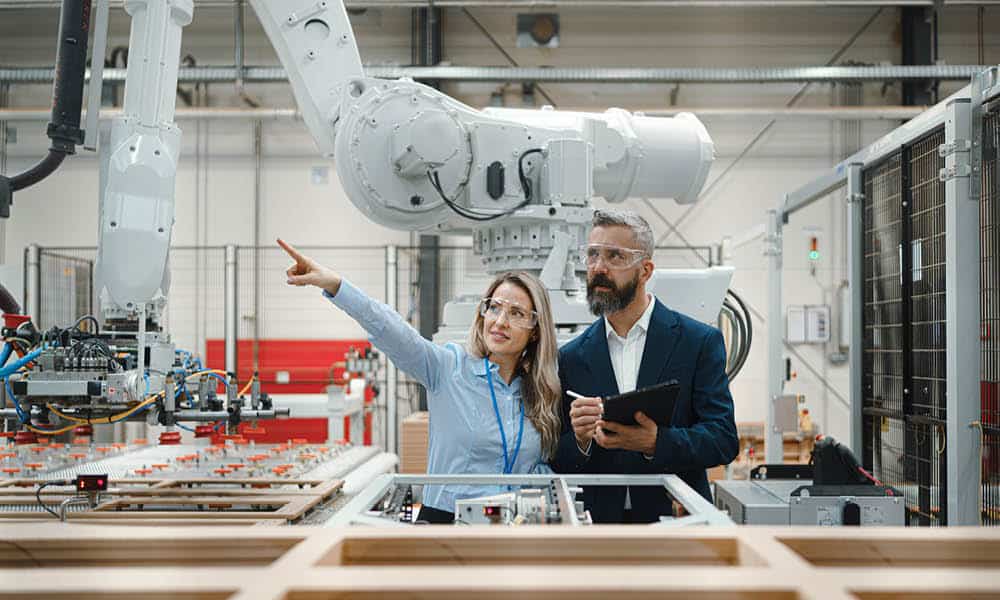
The manufacturing industry is on the cusp of a revolution, driven by the advent of Generative AI. This transformative technology is reshaping how products are designed, produced, and delivered. At its core, Generative AI refers to algorithms that create new content or data based on existing patterns. In the manufacturing sector, it plays a pivotal role in streamlining processes, enhancing productivity, and fostering innovation. By leveraging Generative AI, manufacturers can not only optimize existing operations but also explore new possibilities that were previously unimaginable.
One of the key aspects of Generative AI is its ability to process vast amounts of data quickly and efficiently. This capability is crucial in manufacturing, where timely decision-making can significantly impact the bottom line. Through machine learning and deep learning techniques, AI systems can analyze production data, identify inefficiencies, and suggest improvements. Moreover, Generative AI can simulate various manufacturing scenarios, allowing companies to foresee potential challenges and mitigate risks proactively.
As industries continue to embrace digital transformation, the integration of Generative AI into manufacturing processes is becoming increasingly essential. Companies adopting this technology are witnessing enhanced innovation, reduced costs, and improved time-to-market. The manufacturing landscape is evolving, and Generative AI is at the forefront of this change, driving businesses towards a more sustainable and efficient future. To further explore the impact of Generative AI on manufacturing, read more details here.
Key Benefits of Generative AI for Manufacturing
Generative AI offers numerous advantages that are revolutionizing the manufacturing sector. One of the most significant benefits is its ability to enhance product design and development. By using AI-driven algorithms, manufacturers can generate multiple design prototypes in a fraction of the time it would take using traditional methods. This rapid prototyping leads to faster iterations and improved product quality, ultimately resulting in more innovative and competitive offerings.
Another major advantage of Generative AI in manufacturing is its potential to optimize supply chain operations. AI can predict demand more accurately, manage inventory levels efficiently, and streamline logistics processes. By analyzing historical data and current market trends, Generative AI can provide actionable insights that help manufacturers make informed decisions. This level of precision not only reduces waste but also ensures that products reach consumers in a timely manner.
Furthermore, Generative AI enhances predictive maintenance, which is crucial for maintaining equipment efficiency and minimizing downtime. By continuously monitoring machinery and analyzing performance data, AI systems can predict when maintenance is needed, preventing unexpected breakdowns. This proactive approach to maintenance not only extends the lifespan of equipment but also reduces operational costs. For a deeper understanding of these benefits and how they are transforming manufacturing, read more details here.


